How to Calculate the Right Solar System Size for Your Home (2026)
Meta Description Learn how to calculate the correct solar system size for your home based on energy consumption, appliances, battery capacity, and solar panel output.

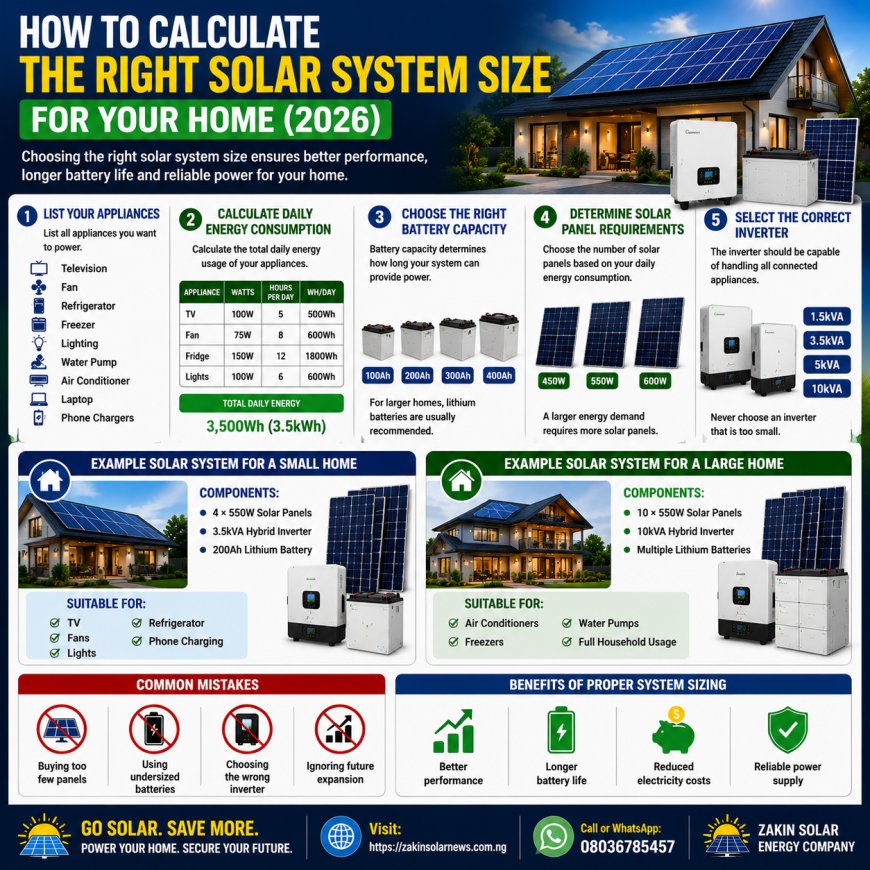
How to Calculate the Right Solar System Size for Your Home (2026)
SEO Title
How to Calculate the Right Solar System Size for Your Home (2026)
Meta Description
Learn how to calculate the correct solar system size for your home based on energy consumption, appliances, battery capacity, and solar panel output.
Introduction
Many people make the mistake of buying a solar system without first calculating their electricity needs. This often leads to poor performance, battery problems, and unnecessary expenses.
To get the best results, you must determine the correct solar system size before installation.
This guide explains how homeowners can calculate the right solar system size in 2026.
Step 1: List Your Appliances
Start by making a list of all appliances you want to power.
Examples include:
Television
Fan
Refrigerator
Freezer
Lighting
Water Pump
Air Conditioner
Laptop
Phone Chargers
Step 2: Calculate Daily Energy Consumption
Each appliance consumes a certain amount of power.
Example:
Appliance
Watts
Hours Per Day
TV
100W
5 Hours
Fan
75W
8 Hours
Fridge
150W
12 Hours
Lights
100W
6 Hours
Total daily energy consumption can then be estimated.
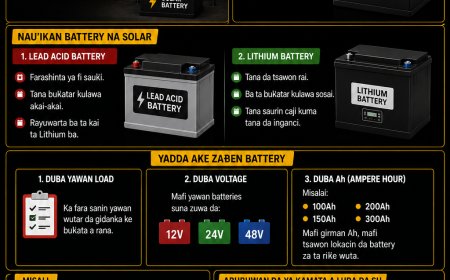
Step 3: Choose the Right Battery Capacity
Battery capacity determines how long your system can provide power.
Popular battery sizes:
100Ah
200Ah
300Ah
400Ah
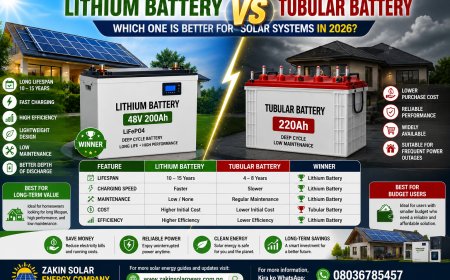
For larger homes, lithium batteries are usually recommended.
Step 4: Determine Solar Panel Requirements
Popular panel sizes:
450W
550W
600W
A larger energy demand requires more solar panels.
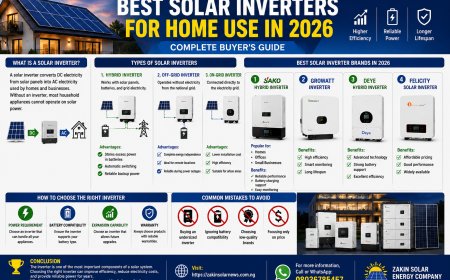
Step 5: Select the Correct Inverter
The inverter should be capable of handling all connected appliances.
Popular inverter sizes:
1.5kVA
3.5kVA
5kVA
10kVA
Never choose an inverter that is too small.
Example Solar System for a Small Home
Components:
4 × 550W Solar Panels
3.5kVA Hybrid Inverter
200Ah Lithium Battery
Suitable for:
TV
Fans
Lights
Refrigerator
Phone Charging
Example Solar System for a Large Home
Components:
10 × 550W Solar Panels
10kVA Hybrid Inverter
Multiple Lithium Batteries
Suitable for:
Air Conditioners
Freezers
Water Pumps
Full Household Usage
Common Mistakes
❌ Buying too few panels
❌ Using undersized batteries
❌ Choosing the wrong inverter
❌ Ignoring future expansion
Benefits of Proper System Sizing
✅ Better performance
✅ Longer battery life
✅ Reduced electricity costs
✅ Reliable power supply
Conclusion
The correct solar system size depends on your daily energy usage and future power needs. Proper planning helps avoid costly mistakes and ensures reliable electricity for years.
🌐 Visit: https://zakinsolarnewHow to Calculate the Right Solar System Size for Your Home (2026)
SEO Title
How to Calculate the Right Solar System Size for Your Home (2026)
Meta Description
Learn how to calculate the correct solar system size for your home based on energy consumption, appliances, battery capacity, and solar panel output.
Introduction
Many people make the mistake of buying a solar system without first calculating their electricity needs. This often leads to poor performance, battery problems, and unnecessary expenses.
To get the best results, you must determine the correct solar system size before installation.
This guide explains how homeowners can calculate the right solar system size in 2026.
Step 1: List Your Appliances
Start by making a list of all appliances you want to power.
Examples include:
Television
Fan
Refrigerator
Freezer
Lighting
Water Pump
Air Conditioner
Laptop
Phone Chargers
Step 2: Calculate Daily Energy Consumption
Each appliance consumes a certain amount of power.
Example:
Appliance
Watts
Hours Per Day
TV
100W
5 Hours
Fan
75W
8 Hours
Fridge
150W
12 Hours
Lights
100W
6 Hours
Total daily energy consumption can then be estimated.
Step 3: Choose the Right Battery Capacity
Battery capacity determines how long your system can provide power.
Popular battery sizes:
100Ah
200Ah
300Ah
400Ah
For larger homes, lithium batteries are usually recommended.
Step 4: Determine Solar Panel Requirements
Popular panel sizes:
450W
550W
600W
A larger energy demand requires more solar panels.
Step 5: Select the Correct Inverter
The inverter should be capable of handling all connected appliances.
Popular inverter sizes:
1.5kVA
3.5kVA
5kVA
10kVA
Never choose an inverter that is too small.
Example Solar System for a Small Home
Components:
4 × 550W Solar Panels
3.5kVA Hybrid Inverter
200Ah Lithium Battery
Suitable for:
TV
Fans
Lights
Refrigerator
Phone Charging
Example Solar System for a Large Home
Components:
10 × 550W Solar Panels
10kVA Hybrid Inverter
Multiple Lithium Batteries
Suitable for:
Air Conditioners
Freezers
Water Pumps
Full Household Usage
Common Mistakes
❌ Buying too few panels
❌ Using undersized batteries
❌ Choosing the wrong inverter
❌ Ignoring future expansion
Benefits of Proper System Sizing
✅ Better performance
✅ Longer battery life
✅ Reduced electricity costs
✅ Reliable power supply
Conclusion
The correct solar system size depends on your daily energy usage and future power needs. Proper planning helps avoid costly mistakes and ensures reliable electricity for years.
🌐 Visit: https://zakinsolarnews.com.ng�
📞 For more information, Call or WhatsApp: 08036785457
🏢 Zakin Solar Energy Companys.com.ng�
📞 For more information, Call or WhatsApp: 08036785457
🏢 Zakin Solar Energy Company
What's Your Reaction?
 Like
0
Like
0
 Dislike
0
Dislike
0
 Love
0
Love
0
 Funny
0
Funny
0
 Angry
0
Angry
0
 Sad
0
Sad
0
 Wow
0
Wow
0